Defects after handover in Dubai: who fixes what, and for how long
diar.tv ·
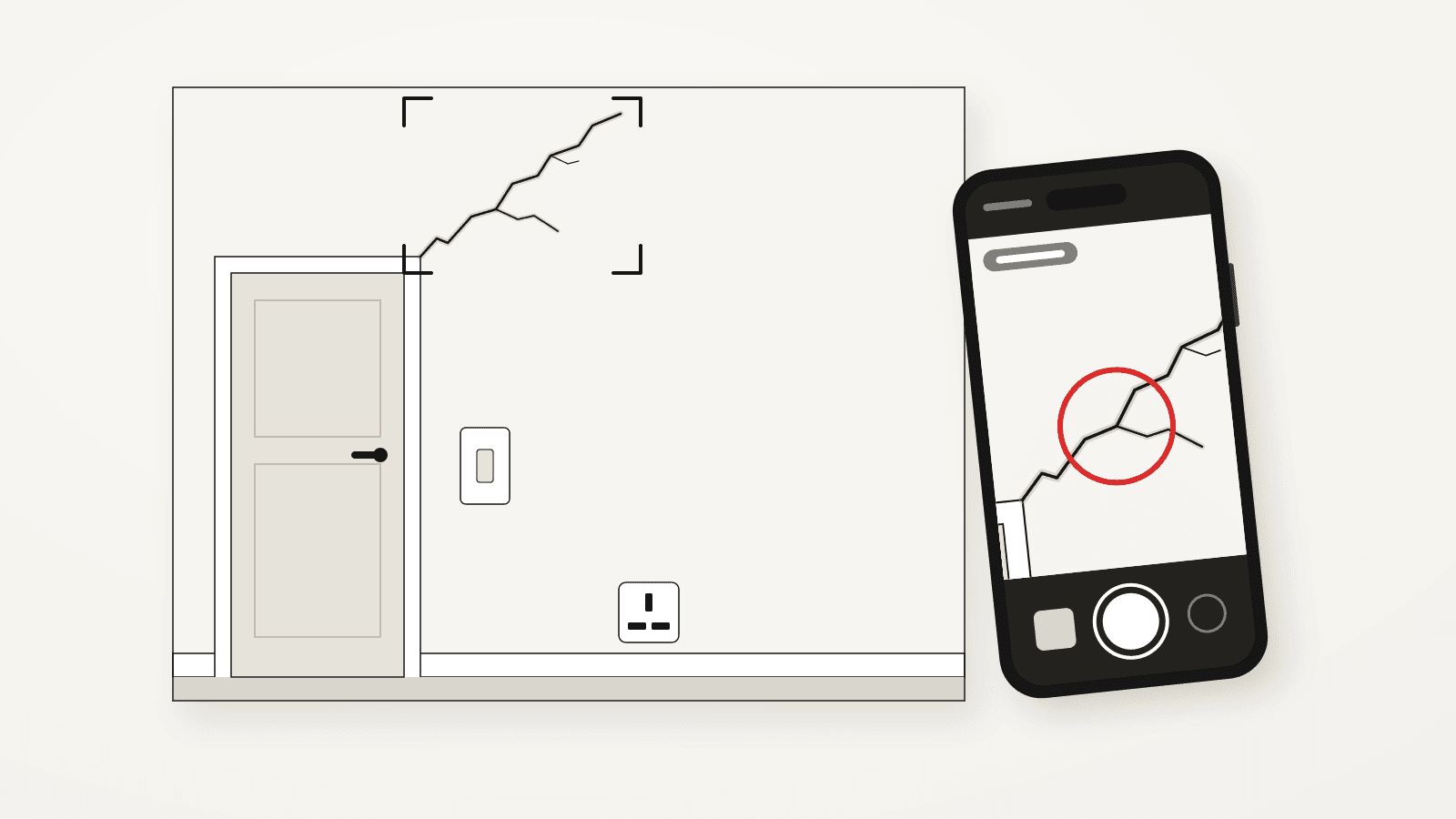
A new home can have faults that only show themselves after you move in: a crack that grows, a pipe that leaks, a socket that does not work. Dubai's law says who answers for them, and for how long. This guide sets out what the law says about jointly owned property, from a building with many owners to a community of villas or town houses, and what to do when something goes wrong. It describes Dubai only.
What the law says
Dubai's Law No. 6 of 2019, on jointly owned property, makes developers answer for two kinds of defect.
- The structure. A developer remains liable for ten years from the date of the completion certificate to remedy or rectify defects in the structural parts of the building. The law makes this subject to the federal law's rules on contractors.
- The installations. A developer remains liable for one year from the date the unit is handed over to the owner for repairing or replacing defective installations; if the owner does not take possession, the year runs from the completion certificate. The law gives mechanical and electrical works, and sanitary and sewerage installations, as examples, and adds similar installations.
Two more lines of the same article matter:
- Other laws still apply. Nothing in this law takes away the rights that other laws give owners against developers.
- A contract cannot cut it short. An agreement made after the law came into force that contradicts this article is void.
When each period starts
- Structural defects: from the date of the completion certificate. Our guide to completion explains what that certificate is.
- Installations: from the date the unit is handed over to you. If an owner does not take possession, for any reason, the year runs from the date of the completion certificate instead, so putting off handover does not put off the clock. Keep a record of both dates.
What is a defect, and what is not
- A defect is a fault in how something was built or installed: a leak from a pipe that was badly fitted, a crack in the structure.
- Maintenance is the work any building needs as it is used: cleaning, servicing the lifts, repainting the shared parts. It is paid for through the service charges. Our guide to service charges explains them.
- Wear is what use does over time. Inside your home it is yours to look after; in the shared parts, the management company looks after it through the service charges.
If you are not sure which you are looking at, report it anyway, and let the answer come back in writing.
What to do when you find one
- Record it. Take photographs, with the date. Note when you first saw it.
- Report it in writing to the developer, through whatever channel your contract or handover pack names. Keep a copy of what you sent.
- For the shared parts, tell the building's management company as well. Our guide to jointly owned buildings explains who manages what, and how the owners committee checks that the shared parts are maintained.
- Keep everything: the handover report, your messages, the replies, the dates.
- If it is not dealt with, take advice. Under this law, disputes are heard by the Rental Disputes Settlement Centre at the Land Department. This guide is not legal advice.
Start at handover
The best time to find a defect is before you take the keys. Our guide to handover day covers what to check before you sign for them.
If you are buying a ready home
The developer's periods run from dates that were set before you bought. Ask the seller for the date of the building's completion certificate, the date the unit was handed over, and whether it was taken up then, and for any defects already reported.
Where diar.tv stands
diar.tv shows homes in LIVE Viewings and new projects in LIVE launches, presented live, or as premieres, by government-approved, verified agents. It does not build, inspect or repair, and no money moves through it. This guide is not legal advice: the law, and the Land Department, are the authority.
The short version
In a Dubai building with many owners, the law makes the developer answer for structural defects for ten years from the completion certificate, and for defective installations for one year from handover, or from the completion certificate if the owner does not take possession, and an agreement made after the law came into force cannot cut those short. Record every defect, report it in writing, keep every reply, and start looking on handover day.
Sources
- Law No. 6 of 2019 Concerning Ownership of Jointly Owned Real Property in the Emirate of Dubai, Article 40
- Completion and the completion certificate: diar.tv/articles/completion-certificate-off-plan-dubai
- Handover day: diar.tv/articles/handover-day-off-plan
- Service charges: diar.tv/articles/service-charges-dubai
- Jointly owned buildings: diar.tv/articles/jointly-owned-buildings-dubai